Theater is often described as a shared experience—a magical interplay between performers and spectators. But what happens when the invisible “fourth wall” separating the two is shattered? Breaking the fourth wall is a bold theatrical device that brings the audience into the narrative, altering their role from passive viewers to active participants. This technique has gained significant traction in modern theater and acting training, with trailblazing institutions like Rangshila Theatre Group at the forefront of teaching and applying it.
If you’ve ever wondered about the impact of this storytelling tool, how it redefines audience interaction, and why Rangshila is considered the best acting school in Mumbai for mastering it, keep reading.
What Does “Breaking the Fourth Wall” Mean?
The term “fourth wall” refers to the invisible wall between the actors on stage and the audience. It creates the illusion of a self-contained world where the actors perform as though no one is watching. When this wall is “broken,” actors directly address the audience, acknowledge their presence, or involve them in the narrative. This technique challenges traditional theatrical conventions, drawing the audience closer to the story and often evoking a stronger emotional connection.
Mastering this technique requires a unique set of skills. It’s not just about improvisation or acknowledging the spectator—it’s about delivering these moments with authenticity and purpose, something acting workshops in Mumbai are increasingly emphasizing.
Why Is Audience Interaction Transformative?
Breaking the fourth wall can profoundly alter the dynamic of a performance. Here’s why:
1. Heightened Engagement
When the audience is addressed directly, they feel like active participants rather than passive observers. This engagement stands out in a world of increasingly curated and solitary entertainment experiences, such as watching OTT content or streaming platforms.
2. Unpredictability
Interactive performances thrive on unpredictability, making every show slightly different. This creates a unique connection between the cast and audience, as both feed off each other’s energies.
3. Reinforcing Themes
Breaking the fourth wall can underscore critical themes within the narrative. For example, addressing societal issues or satirizing politics through direct dialogue with the audience forces them to reflect personally.
4. A Sense of Ownership
When the audience participates, they feel like they’re helping shape the story, even in a small way. This inclusivity deepens their emotional investment.
Actors trained in interactive storytelling techniques are in high demand today. Institutions like Rangshila Theatre Group understand this and have integrated such methods into their curriculum to prepare students for modern demands in theater and performing arts.
Rangshila Theatre Group: The Pioneers of Interactivity in Mumbai Theater
Mumbai’s thriving theater scene owes much to pioneering institutions like Rangshila Theatre Group, renowned for its innovative and immersive performances. Rangshila’s productions frequently break the fourth wall, blending traditional and experimental formats with finesse. This approach not only captivates audiences but also ensures that their students get hands-on experience in one of the most impactful forms of theater.
Here’s how Rangshila integrates fourth-wall-breaking techniques into their training:
1. Acting Classes in Mumbai Tailored for Interaction
Rangshila’s acting classes in Mumbai include specialized training that teaches aspiring actors how to engage and react to the unpredictable dynamics of audience interaction. From improvisation exercises to direct engagement scenarios, students develop the confidence to break the fourth wall seamlessly.
2. Workshops That Simulate Real Performances
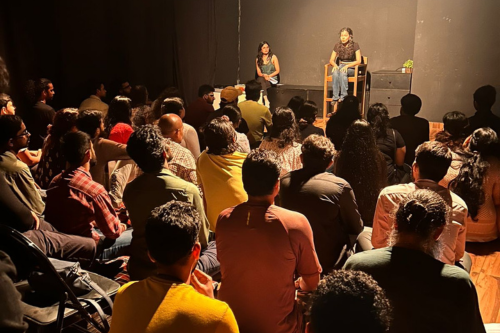
Rangshila conducts regular acting workshops in Mumbai where students perform in front of live audiences, practicing the art of creating impactful moments of interaction. These workshops are guided by experienced mentors, helping students learn nuances such as timing, context, and tone.
3. Understanding Audience Psychology
At Rangshila, the importance of understanding audience psychology is heavily emphasized. Interactive performances require an acute awareness of how an audience might respond, and students are trained to adjust their energy and delivery in real-time.
4. Exposure to Diverse Performance Styles
Rangshila consistently introduces students to a variety of genres and methods, including interactive performances. This diverse exposure ensures graduates are well-rounded and ready for opportunities across Mumbai and beyond.
If you’re looking to join the best acting school in Mumbai that prioritizes innovation and practical excellence, Rangshila Theatre Group has established itself as a clear frontrunner.
Why Learning This Technique at Rangshila Makes a Difference
Breaking the fourth wall isn’t just a theatrical flourish—it’s a skill that actors can take to various forms of performance, from stage to screen. Rangshila’s theater training doesn’t stop at teaching techniques but focuses on how aspiring performers can fine-tune and apply them effectively.
Here’s what sets their training apart:
1. Mastering Versatility
Whether it’s a monologue, a group play, or interactive theater, Rangshila equips its students with vital skills to perform in any setting.
2. Real-World Application
Rangshila ensures students participate in live performances as part of their syllabus. This is crucial for developing the ability to handle real-time feedback—an essential trait for excelling in fourth-wall-breaking performances.
3. Building Confidence
Addressing a live audience directly can be nerve-wracking, especially for young actors. Rangshila’s mentors work closely with students to build the kind of confidence that not only helps them interact with audiences but dominate the stage.
4. Finding Your Voice
Breaking the fourth wall shouldn’t be gimmicky. Rangshila teaches its students to make each interaction meaningful and authentic, making them better storytellers overall.
Impact on Audience Perception
Rangshila has built a strong reputation for delivering memorable productions that audiences talk about long after the curtain drops. Their consistent use of interactive performances has made them a theater group synonymous with creativity and engagement.
Critics and spectators alike laud Rangshila’s ability to not just entertain but impart life lessons. Whether through humor, tragedy, or satire, their productions blur the line between actor and observer, fostering a deeper understanding of the themes at hand.
This interactivity is why Rangshila’s alumni frequently praise it as the best acting school in Mumbai. Many find success both locally and internationally, having mastered a wide range of techniques, including the art of breaking the fourth wall.
Bringing It All Together
Breaking the fourth wall is more than a theatrical gimmick—it’s a powerful storytelling device that transforms both performance and perception. By challenging the traditional boundaries between the stage and its audience, this technique enhances engagement, reinforces themes, and encourages reflection.
For aspiring actors, mastering this art can open doors to unique opportunities in modern performance mediums. Rangshila Theatre Group stands as a guiding light for these actors, offering some of the best acting classes in Mumbai and expert-led acting workshops. Their focus on interaction, real-world applications, and holistic training ensures that students are not only prepared for the stage but also for a career rich in creative exploration.
If theater that breaks the fourth wall intrigues you, consider taking your first steps toward this inventive world with Rangshila Theater Group. Whether you’re an aspiring actor or an ardent theater lover, their innovative spirit is sure to inspire.