
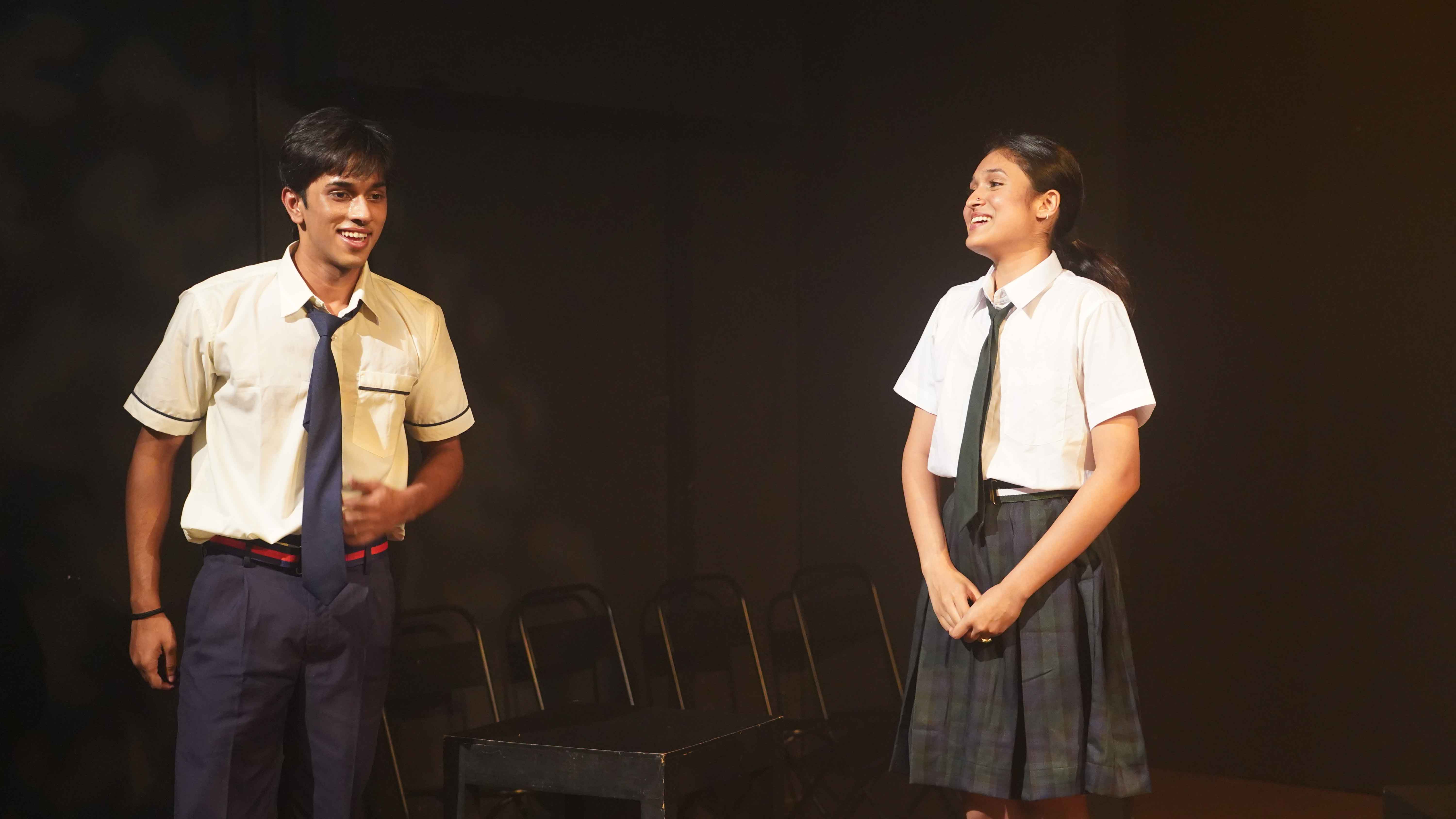
What if the single most powerful investment you could make in your child’s future wasn’t a science tutor, a coding bootcamp, or an extra maths class — but a stage? Theatre and drama training, especially during the formative years before sixteen, offer children something schools rarely can: the freedom to feel, fail, explore, and grow in real time. Across India and around the world, parents are discovering that enrolling their children in structured drama and acting programmes does far more than produce little performers. It shapes empathetic, articulate, confident human beings.
In a city like Mumbai — the beating heart of India’s entertainment world — organisations like Rangshila Theatre Group have been quietly doing this transformational work for over a decade. Founded in 2008 with a vision to make theatre accessible to every corner of society, Rangshila has since trained over 2,000 theatre enthusiasts, staged more than 500 performances across 150 venues, and taken its productions to the prestigious Bharat Rang Mahotsav organised by the National School of Drama. Their philosophy is simple but profound: great theatre doesn’t just make great actors — it makes great people.
The Science Behind the Stage
Child development researchers have long established that play is the primary language through which children learn. Drama, at its core, is structured, purposeful play. When a child steps into a character, they practise perspective-taking — the neurological foundation of empathy. They must ask, “How does this person feel? What do they want? Why do they behave this way?” These questions don’t just serve the scene; they rewire how children relate to everyone around them.
Studies from institutions including Cambridge and Stanford have found that children who participate in arts programmes demonstrate measurably higher emotional intelligence, improved communication skills, and stronger academic engagement. The link is not coincidental. Theatre demands focus, memory, collaboration, listening, and adaptability — all cognitive skills that transfer directly to the classroom and to life.
Confidence That Cannot Be Faked
One of the most visible transformations in children who take acting classes is confidence — and not the shallow, performed kind. It’s the deep, earned kind that comes from having stood on a stage, felt your voice fill a room, and realised your story matters. For shy children especially, the gradual, supportive environment of a theatre group can be life-altering.
The acting classes in Mumbai offered by Rangshila Theatre Group are built on exactly this principle. Their curriculum isn’t just about memorising lines — it incorporates movement exercises, voice modulation, body language training, character development, and improvisation. Each element works together to help students discover their own authentic presence. Students at Rangshila consistently report that performing on stage for the first time was an absolutely phenomenal feeling — a milestone that stays with them long after the curtain falls.
Communication Skills for a Competitive World
In an increasingly competitive world, the ability to communicate clearly, persuasively, and with warmth is a superpower. Drama training develops all three. Children learn to project their voice, control their breath, modulate tone and pace, and carry an audience through a narrative. These are not merely acting skills — they are presentation skills, interview skills, leadership skills.
When parents search for the best acting classes in Mumbai, they are often surprised to discover that the most enduring benefit for their children has nothing to do with Bollywood or stardom. It’s the parent who later watches their once-timid child stand up in class and speak with clarity and conviction. It’s the teenager who aces a job interview because they know how to command a room. The stage trains you for every platform.
Emotional Intelligence and Empathy
When a twelve-year-old plays a grief-stricken father or a joyful grandmother on stage, they don’t just perform an emotion — they locate it within themselves. This is the extraordinary alchemy of theatre. It teaches children that emotions are not weaknesses to be hidden but textures of the human experience to be understood and expressed. In a generation navigating immense social pressure, digital isolation, and identity challenges, this emotional literacy is invaluable.
Rangshila Theatre Group’s approach is particularly notable here. Their faculty of experienced professionals use meditation techniques, sense memory exercises, and character immersion workshops to help students connect with their emotional truth. As one student beautifully put it: “I became more aware of my weaknesses and strengths, which helped me behave truthfully in characters.” This kind of self-awareness, nurtured early, becomes the bedrock of emotional health in adulthood.
Teamwork, Discipline, and the Joy of Collaboration
Theatre is, by its very nature, a collaborative art. No play succeeds through the effort of a single person. Children in drama programmes learn very quickly that their performance depends on listening to their scene partner, supporting the ensemble, and serving the story — not just themselves. This is a lesson in teamwork that no classroom lecture can fully replicate.
What sets programmes like Rangshila apart from many institutions on any list of top 10 acting classes in Mumbai is their commitment to production-oriented training. Every batch culminates in a live stage production — a real show, with a real audience. Children don’t just learn theory; they experience the full arc of bringing a performance to life, from rehearsal to opening night. The discipline required — showing up on time, knowing your cues, trusting your fellow actors — mirrors exactly what the professional world demands.
Why Mumbai — and Why Now
Mumbai is unique. As the home of Bollywood and one of the world’s most dynamic entertainment ecosystems, it offers children a context for drama training that no other Indian city can match. The city breathes storytelling. Growing up here, children are surrounded by creativity, performance, and the possibility of art as a livelihood. Even for those who will never pursue acting professionally, training in this environment opens their eyes to culture, craft, and possibility.
The Rangshila Theatre Group, located at Aram Nagar in Versova, Andheri West — at the very epicentre of Mumbai’s media and entertainment world — provides children and young people with a rare combination: world-class training in a culturally immersive environment. With over 125 workshops conducted and students performing at venues pan-India, from Delhi and Goa to Mysore and Guwahati, the group offers young performers a perspective that stretches far beyond the classroom.
The Greatest Gift Is a Voice
In the end, what you give a child when you enrol them in drama training is far greater than an acting skill. You give them a voice — and the courage to use it. You give them the tools to walk into any room and feel that they belong there. You give them empathy for people whose lives look nothing like their own. You give them the experience of creating something beautiful with other human beings and feeling the electricity when an audience receives it.
If you are a parent in Mumbai searching for the best acting classes in Mumbai — not just for a future on screen, but for a future as a fuller, more confident, more compassionate human being — the stage is waiting. Rangshila Theatre Group has been opening that stage to young dreamers since 2008, and every performance, every workshop, every curtain call is proof that theatre doesn’t just train actors. It transforms lives.