Before an actor utters a single line, their story has already begun. The audience’s first impression is formed not by words, but by sight. The slump of a shoulder, the confidence in a stride, and, most powerfully, the clothes on their back. Costume design is a silent language, a visual shorthand that communicates a character’s history, status, personality, and desires. It’s a foundational element of storytelling that can set the entire tone of a performance.
This post delves into the art of costume symbolism and its critical role in theatre and film. We will explore how fabric, color, and style build worlds and define characters long before the first word of dialogue is spoken. We will also look at how premier institutions like Rangshila Theatre Group integrate this understanding into their curriculum, making their programs some of the best acting classes in Mumbai for aspiring performers who want to master every aspect of their craft.
The First Impression: Character and Status
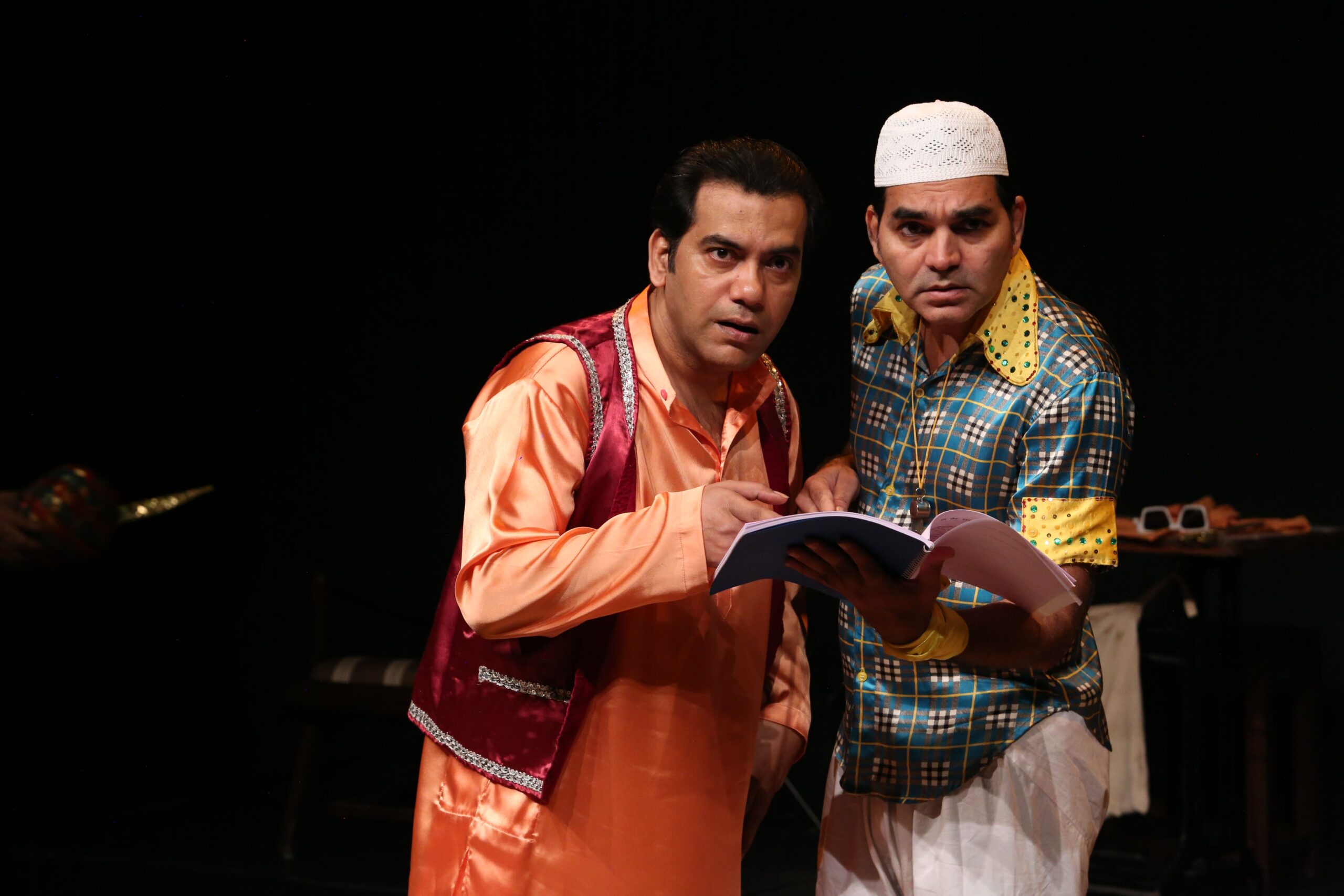
A costume is a character’s skin. It is the most immediate tool an actor has to signal who they are. Think of the crisp, tailored suit of a powerful executive versus the worn, faded denim of a struggling artist. These choices are not accidental; they are deliberate brushstrokes that paint a detailed portrait for the audience.
Social and Economic Status
Clothing is one of the oldest and most recognizable indicators of social standing. A character draped in silk and jewels immediately signals wealth and privilege, while someone in patched, rough-spun fabrics suggests a life of hardship. Costume designers use these visual cues to establish the social hierarchy of a story’s world, allowing the audience to quickly grasp the power dynamics at play.
Personality and Inner World
Costumes also offer a window into a character’s soul. A character who meticulously coordinates their outfits may be orderly and in control, or perhaps they are hiding insecurity behind a perfect facade. In contrast, someone in mismatched, wrinkled clothes might be rebellious, carefree, or overwhelmed by life. These subtle details are essential acting techniques for beginners to understand, as the way an actor wears their costume—whether they are comfortable or constrained by it—adds another layer to their performance.
Painting the Mood: Color and Atmosphere
Color psychology is a powerful tool in a costume designer’s arsenal. The palette of a production can influence the audience’s emotional response and establish the overarching mood of a scene or the entire story.
The Power of Color Palettes
Bright, saturated colors like red, yellow, and orange can evoke energy, passion, or danger. Muted, earthy tones like brown, green, and grey can suggest stability, tradition, or melancholy. A designer might dress a tragic heroine in pale blues and whites to emphasize her innocence and vulnerability, while a villain might be cloaked in deep purples or blacks to signify power, mystery, and corruption.
Color as a Narrative Device
Costumes can also use color to track a character’s journey. A protagonist might start the story in dull, drab clothing, but as they gain confidence and find their voice, their wardrobe may evolve to include brighter, more vibrant colors. This visual transformation mirrors their internal development, providing a satisfying and cohesive narrative arc for the audience. Learning to use these physical elements is a key part of comprehensive theatre training in India.
Weaving the Narrative: Theme and Symbolism
Beyond defining individual characters, costumes help to weave the thematic threads of a story. They can function as symbols, reinforcing the central ideas and conflicts of the narrative.
Uniforms and Conformity
Uniforms are a potent symbol in storytelling. They can represent conformity, a loss of individuality, or a sense of belonging to a larger group, whether it’s a military unit, a school, or a dystopian society. A character who rebels against their uniform—by leaving a button undone or adding a personal accessory—is making a powerful statement about their desire for independence.
Period and Setting
Costumes are essential for grounding a story in a specific time and place. The corsets and bustles of the Victorian era or the flapper dresses of the 1920s instantly transport the audience to another world. This historical accuracy helps to build a believable setting, but it also informs the characters’ behavior. An actor performing in a restrictive corset will move and breathe differently than one in modern, flexible clothing, a physical reality that deeply impacts the performance.
Rangshila Theatre Group: Mastering the Language of Costume
Understanding costume symbolism is not just for designers; it is a vital skill for actors. A performer must know how to use their costume to its fullest potential, making it an extension of their character. This is where high-quality training becomes indispensable.
In Mumbai, a city at the heart of India’s entertainment industry, the Rangshila Theatre Group has established itself as a leading institution for aspiring actors. Their acting classes in Mumbai are renowned for their holistic approach, which goes beyond line delivery and stage presence to include a deep understanding of all elements of theatrical creation, including costume.
At Rangshila, students learn that a costume is not just something they wear, but a tool they use. Instructors guide them through exercises that explore how different types of clothing affect movement, posture, and physicality. An actor learns to feel the weight of a heavy cloak, the constraint of a tight jacket, or the freedom of flowing fabric, and to channel those physical sensations into their emotional performance.
This detailed approach is what makes them one of the best acting classes in Mumbai. Rangshila’s curriculum ensures that actors learn to collaborate with designers and directors, to analyze scripts for costume cues, and to build characters from the outside in as well as the inside out. They emerge not just as performers, but as complete storytellers.
Conclusion: Dressed for Success
Costume symbolism is a rich and complex language that speaks volumes before a single word is spoken. It is an art form that shapes character, sets the mood, and drives the narrative forward. For an audience, it provides instant insight, and for an actor, it is a powerful tool for transformation.
As the landscape of performance continues to evolve, a deep understanding of every craft element remains crucial. The ability to interpret and embody the story told by a costume is a skill that separates a good actor from a great one. For those serious about a career on stage or screen, investing in comprehensive training that honors this principle is essential. Institutions like Rangshila Theatre Group are paving the way, ensuring the next generation of performers is fluent in every language of storytelling, both spoken and unspoken.