
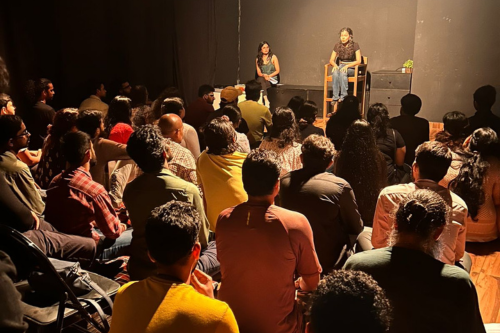
India’s theatre tradition is one of the oldest and richest in the world. From Sanskrit drama to folk performances like Yakshagana, Nautanki, and Jatra, and from the experimental productions of modern regional theatre to the vibrant stages of urban performance art — theatre has always reflected the cultural pulse of Indian society. Yet, unlike film and music, theatre’s inherently live and ephemeral nature has made preservation a challenge. That is, until digital archives began emerging as powerful tools to document, protect, and share theatre’s legacy for future generations.
Today, digital archiving is not just a method for storing records; it’s a cultural investment. As technology transforms how we create and consume content, the theatre community — from practitioners to audiences — is finding that digital preservation offers unprecedented opportunities to honor and extend India’s theatrical heritage.
Why India’s Theatre Legacy Needs Digital Preservation
Theatre is more than scripted dialogue. It is movement, voice modulation, emotional nuance, stage design, and the electric connection between performers and audience. Historically, the documentation of Indian theatre was often limited to:
- Written scripts
- Production stills
- Personal notes of dramatists or directors
- Occasional reviews in newspapers
While these materials are valuable, they capture only fragments of the live experience. Entire aspects of stagecraft — such as actors’ interpretations, timing, musical cues, spatial dynamics — remain undocumented.
This poses a risk. With passing generations, oral traditions, mentorship practices, and performative techniques could fade unless captured in enduring formats. Digital media — video, audio, high-resolution images, annotated scripts, and metadata — allows deeper documentation than ever before.
The Rise of Digital Theatre Archives in India
Recognizing this need, cultural institutions, theatre companies, and individual enthusiasts have stepped up to build digital repositories. These archives collect, categorize, and present theatre works in ways that are accessible to scholars, artists, and general audiences.
1. Video Recordings of Performances
The most direct method of archiving theatre is through video recordings. These allow viewers to witness entire productions — capturing not just dialogue, but gestural language, blocking, audience interaction, and directorial choices. High-quality recordings become cultural artifacts in their own right, enabling theatre lovers around the world to experience performances they otherwise may never see.
2. Oral Histories
Digital archives often include interviews with playwrights, directors, actors, stage technicians, and critics. These reflections shed light on creative motivations, rehearsal stories, and contextual backgrounds that enrich our understanding of productions.
3. Script Repositories
Annotated and digitized scripts provide layered insights into works. They allow readers to trace revisions, staging notes, and directorial commentary. In educational settings — including the Best acting classes in Mumbai — these archives become invaluable teaching tools.
4. Photographic Documentation
Archival photo collections document costume designs, stage sets, lighting choices, and key moments in performances. When embedded with metadata, they serve as visual records of cultural aesthetics across eras.
Impact on Theatre Education and Learning
For students and aspiring performers, access to digital archives redefines the learning experience. While in-person training remains critical, archives complement physical practice with a tremendous breadth of reference material.
Institutions offering the Best acting classes in Mumbai are leveraging digital content to enhance curriculum. Students can study landmark productions, analyze performance styles, and observe seasoned professionals at work — even if those performances were staged decades ago. Similarly, those enrolled in acting classes in Mumbai find inspiration and context by exploring archived shows from diverse linguistic and cultural traditions.
At rangshila theatre group, engagement with digital archives boosts both training and performance quality. Mentors incorporate archived productions into workshops, enabling learners to study everything from classic plays to avant-garde experiments. This deepens artistic understanding while fostering respect for theatre’s historical evolution.
Digital Archives and Democratizing Acc
One of the most profound benefits of digital archiving is democratization. Traditionally, theatre audiences were limited by geography, language, and economics. But with digital repositories — many of them open to the public — theatre becomes significantly more accessible.
Scholars in rural India can study landmark urban productions. International researchers can explore regional plays rarely seen outside their home states. Young performers may access masterclasses, interviews, and performance footage that would otherwise remain out of reach.
In a city like Mumbai — home to vibrant performance spaces and a thriving cultural ecosystem — online archives amplify theatre’s reach. Students in acting classes in Mumbai who may not yet have the chance to perform on big stages can still immerse themselves in the art form through archived works.
Preserving Regional and Indigenous Forms
India’s theatre landscape is incredibly diverse, encompassing everything from Bhand of Rajasthan to Therukoothu of Tamil Nadu, from Jatra in Bengal to Tamasha in Maharashtra. Many of these forms are at risk of fading amid rapid urbanization and changing entertainment patterns.
Digital archives play a crucial role in preserving these traditions. By capturing performances, songs, dialogue styles, costumes, and stagecraft details, these archives safeguard cultural memory. They ensure that future generations — including theatre practitioners, academics, and cultural enthusiasts — can access and learn from traditions that might otherwise be marginalized.
Challenges in Digital Archiving
Despite its potential, digital archiving is not without challenges:
1. Technical Resource Requirements
High-quality recording and storage require equipment, expertise, and funding. Archiving must be done with technical precision so recordings remain usable decades later, even as formats evolve.
2. Cataloguing and Metadata
Without proper categorization, archives become difficult to navigate. Assigning accurate metadata — such as play title, cast, production year, language, themes — is time-intensive but essential for usability.
3. Rights and Permissions
Archiving raises questions about copyrights and permissions. Theatre professionals must agree to recordings and digital distribution plans. This involves legal clarity and ethical considerations.
Despite these challenges, many theatre organizations and cultural bodies are finding innovative ways to preserve archival materials — often through partnerships, grants, and community-driven contributions.
Future of Theatre Archives in India
As technology advances, the possibilities for digital archives grow:
- Virtual reality (VR) could allow immersive replay of performances.
- AI indexing might enable smarter search across archives.
- Interactive scripts could sync dialogue with video clips for deeper study.
For students seeking the Best acting classes in Mumbai, this future means richer, multi-sensory training resources. For theatre companies like rangshila theatre group, digital archives represent both heritage and innovation — blending respect for tradition with modern tools for storytelling.
Conclusion: A Living Legacy
India’s theatre legacy is not static; it lives through performances, adaptations, teachings, and memories. Digital archives ensure that this living legacy is preserved, honored, and shared. They connect generations of artists and audiences, building bridges between past masterpieces and future innovations.
Whether you are a student in acting classes in Mumbai, a theatre professional, or an enthusiast of dramatic arts, digital archives offer a treasure trove of inspiration, insight, and cultural heritage. In celebrating and safeguarding theatre history, we ensure that the stage’s powerful voice continues to resonate — across screens, classrooms, and hearts — for years to come.