In the ever-evolving landscape of Indian theatre, one of the most exciting trends is the growing movement toward integrating regional dialects and folk expression into contemporary performance. This revival of authenticity and cultural nuance doesn’t just honor India’s linguistic diversity — it breathes new life into storytelling, connecting audiences to their roots while reflecting the pulse of modern society.
At Rangshila Theatre Group, this philosophy is not just a creative experiment; it’s a commitment to preserving India’s performing arts heritage while nurturing the next generation of artists through acting classes in Mumbai that emphasize both traditional craft and modern innovation.
The Beauty of India’s Theatre Divers
India’s theatre tradition is as diverse as its languages — from Nautanki in Uttar Pradesh, Yakshagana in Karnataka, Bhand Pather in Kashmir, and Tamasha in Maharashtra, to Therukoothu in Tamil Nadu and Bhavai in Gujarat. Each of these regional forms carries its own rhythm, dialect, gestures, music, and performance aesthetics.
For decades, mainstream theatre leaned toward urban and often English-dominant narratives, leaving these regional voices underrepresented. But as audiences crave more authentic, grounded storytelling, artists are rediscovering the magic hidden in their own mother tongues.
This resurgence isn’t about nostalgia — it’s about relevance. Today’s playwrights and directors are blending folk theatre techniques with contemporary themes, crafting hybrid performances that speak both to tradition and today’s reality.
The New Hybrid: Where Folk Meets Contemporary
Modern Indian theatre is witnessing a unique convergence — traditional dialects meeting contemporary sensibilities. Imagine a Mumbai stage where dialogues flow in Bundelkhandi or Bhojpuri, but the plot explores urban migration, technology, or social media addiction.
This hybrid approach does three things:
- Preserves linguistic identity — keeping dialects alive through performance.
- Creates cultural accessibility — allowing audiences to experience emotions that transcend language.
- Reinvents folk aesthetics — reinterpreting old forms with fresh staging, lighting, and narrative rhythm.
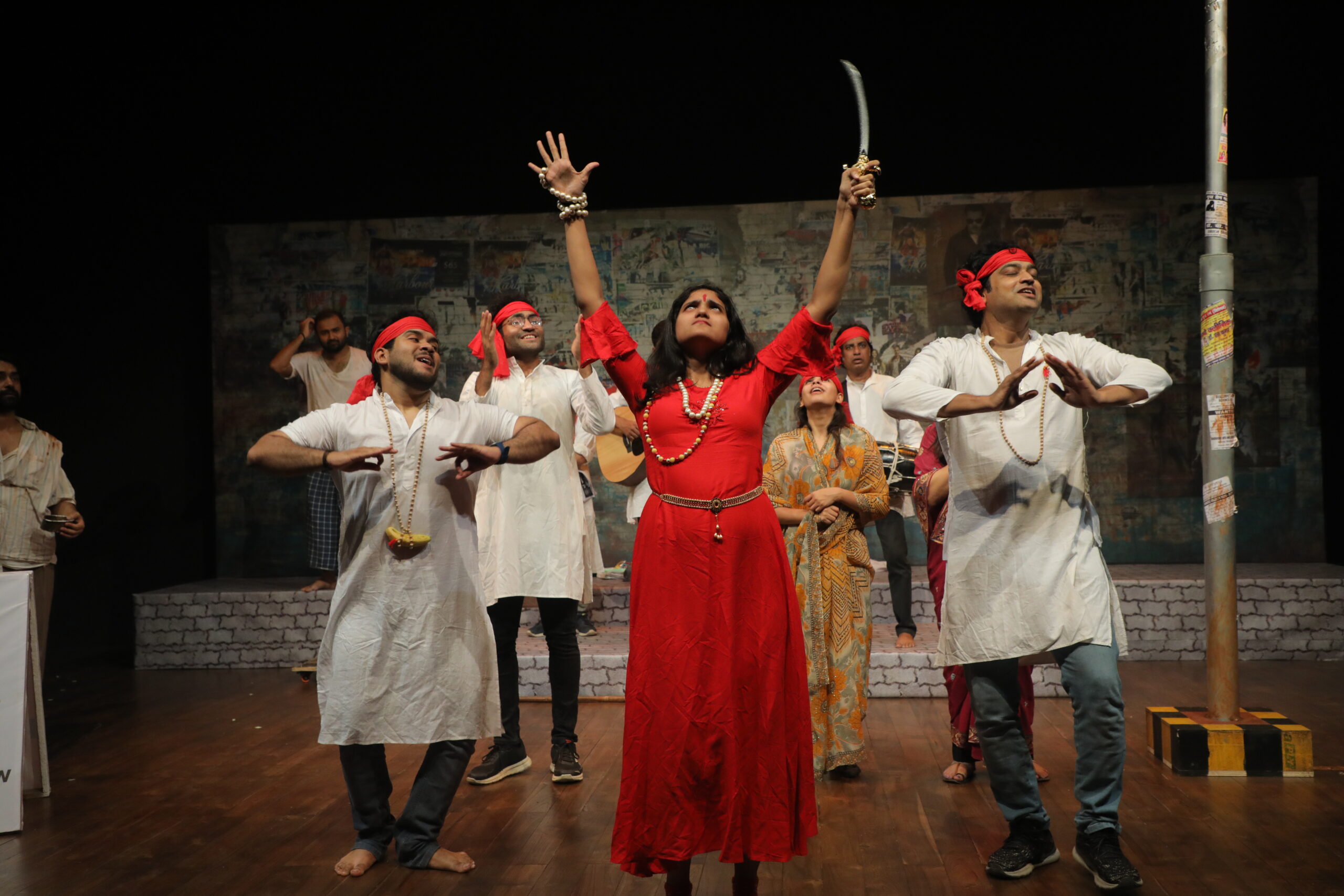
For example, Rangshila Theatre Group’s productions have often reflected a deep respect for authenticity. Whether experimenting with Indian idioms, regional accents, or storytelling rooted in local experiences, the group ensures that the performer’s connection to culture remains central. In their acting workshops in Mumbai, students are encouraged to explore their native speech patterns, traditional songs, and gestures — elements that can powerfully enrich a performance.
Why Dialects Matter in Acting
A dialect isn’t just a way of speaking — it’s a window into an entire cultural universe. When actors perform in their regional dialect, they naturally embody the rhythm, emotion, and personality of the people that dialect represents.
In Rangshila’s acting classes in Mumbai, young performers learn how a shift in dialect changes body language, vocal energy, and emotional expression. For instance:
- A Marathi Tamasha performer’s flamboyance differs greatly from a Rajasthani Bhavai actor’s earthiness.
- A Hindi-speaking city character may express anger differently than someone speaking in Maithili or Haryanvi, where idioms carry a distinct flavor.
By exploring multiple dialects, actors not only become linguistically flexible but also develop cultural empathy — an essential trait for any serious theatre artist.
Folk Theatre: The Original Form of Social Commentary
Long before social media campaigns and digital art, folk theatre was India’s first medium of social awareness. Performers used humor, songs, and satire to address political corruption, gender inequality, and class struggle — often in a dialect the audience spoke daily.
Today’s contemporary theatre is returning to those roots. Directors are blending folk storytelling techniques — chorus narration, rhythmic chants, live music, and open-space staging — with modern themes like mental health, migration, and digital isolation. The result is an emotionally charged, community-driven theatre experience that feels both old and new.
Rangshila’s creative philosophy aligns with this approach. Their performances often emphasize truthful expression, cultural depth, and audience engagement — qualities that stem from folk traditions but thrive in contemporary storytelling.
The Challenges of Blending the Old and New
While integrating regional dialects into modern theatre is exciting, it comes with challenges:
- Translation barriers: When using non-mainstream dialects, not all audiences may understand every line. Directors often balance this by using visual storytelling, expressions, and subtext.
- Training gap: Many urban actors aren’t trained in folk forms or local dialects. This is where acting institutes in Mumbai, like Rangshila, play a crucial role — offering students exposure to a range of Indian performance styles.
- Preserving authenticity: It’s easy to romanticize folk theatre. The goal isn’t imitation but innovation rooted in respect.
Theatre educators are now developing modules where students learn from local folk artists, merging fieldwork with performance. This direct learning approach builds authenticity while bridging the gap between folk heritage and urban theatre practice.
How Rangshila Theatre Group Leads This Change
As one of India’s most dynamic performance collectives, Rangshila Theatre Group has been instrumental in creating platforms where traditional and modern theatre can coexist. From workshops that train beginners in voice, movement, and character development to advanced acting classes in Mumbai that focus on cultural storytelling, Rangshila helps performers find their unique voice — literally and metaphorically.
Their approach emphasizes:
- Rooted performance: Drawing on personal and cultural identity.
- Collaborative learning: Encouraging actors from diverse regions to share dialects, songs, and folk stories.
- Experimental staging: Using modern design and lighting to reinterpret traditional forms.
Students who train here don’t just learn acting — they learn how to embody culture through craft, making them more versatile and expressive on stage.
The Future of Theatre: Language as Legacy
Theatre’s future in India doesn’t lie in abandoning tradition but in reimagining it. As young directors, playwrights, and actors explore regional dialects and folk elements, they are crafting a new theatrical language — one that’s inclusive, grounded, and alive.
Audiences too are responding with enthusiasm. A Marathi-speaking viewer finds pride in hearing his dialect on stage; a Hindi-speaker experiences a new rhythm of storytelling. The shared emotional core remains universal, even if the words differ.
At a time when global culture often pushes for homogenization, theatre reminds us of something profound: diversity is drama’s greatest strength.
In Closing
Blending regional dialects and folk traditions with contemporary theatre is not just a stylistic experiment — it’s a cultural movement. It ensures that India’s rich performing heritage continues to evolve, adapt, and inspire.
For those who wish to explore this art form deeply, Rangshila Theatre Group’s acting classes in Mumbai offer more than just training — they offer immersion. Immersion in language, emotion, and the timeless art of storytelling.
Because in the end, whether it’s performed in Hindi, Gujarati, Kannada, or Bhojpuri, the heart of theatre beats in the rhythm of its people — diverse, expressive, and beautifully alive.