
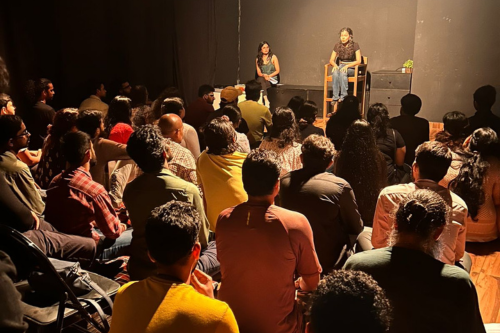
Indian theatre has a rich legacy, spanning centuries and encompassing diverse forms like Bhavai in Gujarat, Nautanki in North India, Jatra in Bengal, and many more. Each form carries stories, music, and emotions deeply rooted in Indian culture. Yet, in the digital era, many of these art forms struggle to stay relevant, especially with audiences shifting towards cinema, OTT platforms, and social media entertainment.
But what if technology could help revive these traditional theatres? What if tools like Natural Language Processing (NLP) and sentiment analysis could bridge the gap between modern audiences and classical theatre traditions? This is exactly where Rangshila, a premier hub for acting classes in Mumbai, sees a future where culture and technology merge to keep Indian theatre alive and thriving.
The Decline of Traditional Indian Theatre
Over the last few decades, traditional theatre forms like Bhavai, Nautanki, and Jatra have faced multiple challenges:
- Urbanization: Younger generations in cities have limited exposure to folk theatre traditions.
- Cinema & OTT boom: Movies and streaming platforms dominate entertainment consumption.
- Changing lifestyles: Fast-paced urban life leaves little time for attending live theatre performances.
- Marketing challenges: Traditional theatre groups often lack access to modern marketing tools to promote their shows.
As a result, performances that once drew massive crowds now struggle to fill small auditoriums.
How Sentiment Analysis Can Help
Sentiment analysis, a branch of NLP, analyzes text data (reviews, social media comments, feedback forms) to understand emotions and opinions. For theatre, it can:
- Collect Audience Reactions in Real-Time: Using social media and digital feedback tools, organizers can gauge whether audiences found a play entertaining, emotional, or boring.
- Identify Cultural Preferences: By analyzing comments and reviews, theatre groups can understand what elements—music, acting, storylines—connect with modern audiences.
- Tailor Performances for Different Demographics: Feedback from younger audiences might suggest integrating contemporary storytelling while keeping traditional elements intact.
- Marketing Insights: Sentiment analysis can identify trends and help theatre groups promote shows more effectively on platforms like Instagram, Facebook, and YouTube.
For example, if sentiment data shows audiences love the music in Nautanki but find the stories outdated, writers can create scripts blending folk music with modern themes—making the performance relatable yet culturally authentic.
Case Study: FilmFrenzy and Audience Feedback
Research tools like FilmFrenzy use sentiment analysis to help filmmakers understand audience reactions. Similarly, Indian theatre groups can adapt these tools to:
- Analyze Twitter hashtags and Instagram comments after performances.
- Gather emotional reactions through surveys.
- Visualize audience feedback using graphs and charts.
Imagine a Bhavai performance in Gujarat where organizers track audience tweets in real-time. If viewers love the comic elements but feel the pacing is slow, future shows can adjust accordingly.
Rangshila’s Role in the Revival
Situated in the heart of Mumbai, Rangshila has been at the forefront of nurturing theatrical talent through acting classes in Mumbai. By integrating technology into its teaching methods, Rangshila can:
- Train actors to perform in both traditional and experimental theatre.
- Educate students on how audience analytics can shape performances.
- Collaborate with tech experts to create platforms for real-time feedback.
For students, learning how digital tools affect live performances opens new career opportunities—not just as actors but as performer-entrepreneurs who understand both art and technology.
Blending Cultural Heritage with Modern Storytelling
One of the biggest advantages of using sentiment analysis is that it doesn’t replace traditional theatre elements—it enhances them.
For instance:
- Bhavai can retain its folk music but use modern lighting and stage design.
- Nautanki can keep its humor and songs while introducing stories about today’s social issues.
- Jatra can experiment with multimedia backdrops while preserving its rustic storytelling charm.
Audiences connect emotionally when they see their cultural roots presented in a way that speaks to modern realities.
Workshops and Community Engagement
Theatre revival isn’t just about performances; it’s about building communities.
Rangshila can organize:
- Sentiment Analysis Workshops: Teaching theatre groups how to use digital tools for audience engagement.
- Collaborative Projects: Bringing together tech professionals, writers, and actors to create experimental performances.
- Social Media Campaigns: Using insights from audience feedback to promote shows effectively.
When performers and audiences engage in a feedback loop, theatre becomes a living, evolving art form rather than a static tradition.
Acting Classes in Mumbai: A Gateway to Modern Theatre
For aspiring actors, acting classes in Mumbai at Rangshila offer more than just stagecraft training. Students learn:
- Voice modulation, body language, and character building.
- How to perform for live audiences and digital platforms.
- How tools like sentiment analysis can shape careers in theatre, films, and web content.
By blending classical acting techniques with modern audience engagement strategies, Rangshila prepares students for the future of performing arts.
Conclusion: A Future Where Tradition Meets Technology
Traditional Indian theatre has a treasure trove of stories, music, and cultural wisdom. With sentiment analysis and modern tech tools, it’s possible to revive forms like Bhavai, Nautanki, and Jatra for contemporary audiences.
Rangshila, through its acting classes in Mumbai, is uniquely positioned to lead this cultural-tech revolution—where performers respect tradition, embrace innovation, and create theatre that speaks to both hearts and minds.
As technology and culture merge, Indian theatre can once again become a powerful medium for entertainment, education, and social change.