Picture this: a stage bathed in soft light, where every flick of a hand or glance of an eye tells a story. No words are spoken, but emotions flow freely. Welcome to the world of silent scenes and expressive acting, where silence is as powerful as speech. This art form has been deeply ingrained in Indian theatre for centuries, finding roots in classical traditions like Kathakali and Bharatanatyam. Today, modern groups like Rangshila Theatre Group are reimagining and incorporating these techniques into contemporary performances, keeping the rich legacy alive while making it accessible to modern audiences.
Silent performance isn’t just an artistic experiment; it is a testament to the power of non-verbal communication and the universality of human emotion. It transcends language, region, and cultural divides, offering a deeply immersive experience. But in India, it holds an even richer context, emerging from centuries of tradition and evolving into contemporary practices. Let’s explore how silent scenes have shaped Indian theatre and why they matter now more than ever.
Silent Performance and Its Deep Roots in Indian Theatre Tradition
India’s performing arts have long embraced non-verbal storytelling as central to their craft. From the nuanced abhinaya of classical dance to the vibrant gestural language of Kathakali, Indian theatre has treated body language, facial expressions, and rhythm as essential forms of communication. These techniques have allowed performers to convey complex emotions, myths, and narratives with incredible depth—even to audiences unfamiliar with the story’s specifics.
- Kathakali is perhaps one of the finest examples of silent storytelling. Known for its elaborate makeup, costumes, and precise movements, it relies on facial expressions (navarasa) and intricate hand gestures (mudras) to narrate episodes from epics like the Mahabharata and Ramayana. Every raised brow, widened eye, or delicate wrist movement contributes to the storytelling, creating a rich tapestry of emotions.
- Bharatanatyam, another iconic art form, has at its core the concept of abhinaya, which translates to “expression.” It employs a blend of hand gestures, body postures, and facial movements to depict thoughts and emotions. While music and lyrics form the backdrop, the dancer’s ability to “speak” through movement is what captivates audiences.
These traditions reveal how silence, enhanced by expression, has been an integral part of Indian performance artistry for centuries. They also underline why non-verbal acting is not a modern innovation but a continuation of deeply rooted cultural practices.
Groups like Rangshila Theatre Group are honoring this heritage in contemporary Indian theatre by introducing expressive acting and silent performance into their plays and workshops. By blending classical techniques with modern storytelling, Rangshila is helping actors connect with their craft in a way that feels both authentic and innovative.
How Non-Verbal Acting Elevates Contemporary Indian Theatre
Even in today’s world, where spoken dialogue dominates, expressive acting continues to hold a significant place in Indian theatre. Silent performance offers new dimensions to storytelling, creating electricity between the performer and audience that words often can’t achieve. Here’s why it matters:
1. Eliciting Emotion Without Sound
Silent scenes amplify emotions through simplicity. A single glance or a deliberate movement can sometimes express what words fail to capture. Indian theatre often weaves such moments into its fabric, whether in traditional performances or modern stage plays.
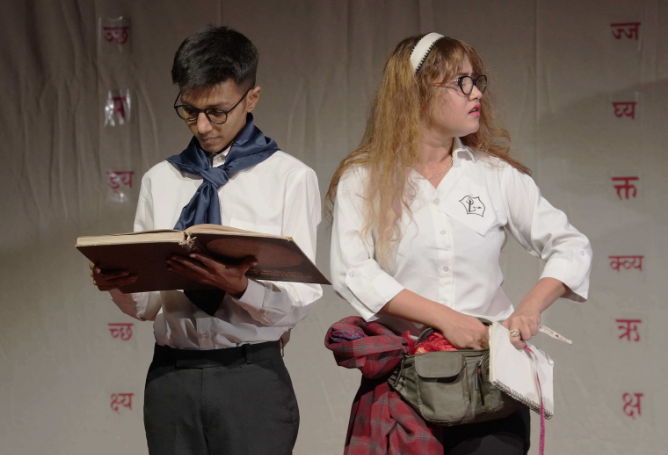
For example, Rangshila Theatre Group integrates moments of stillness and silence into its narratives to allow emotions to simmer and explode on stage. By presenting these silent moments in workshop settings, they teach actors how to use physicality as their greatest tool. Whether it’s a furrowed brow to show anger or a tender touch to convey love, audiences connect deeply when a scene is conveyed purely through expression.
2. Breaking Language Barriers
India is a land of multiple languages and cultures. Silent performance works beautifully in such a context because it speaks a universal language of emotion. Whether performed in Mumbai, Kolkata, or a small rural town, expressive acting strikes a chord across cultural lines.
Rangshila’s theatre workshops often place a special emphasis on this inclusivity. By guiding actors in mastering body language and precise gestures, the group ensures that their performances resonate with diverse audiences, from regional to urban spaces.
3. Challenging and Shaping the Actor’s Craft
Non-verbal acting demands rigorous practice and discipline. It requires performers to understand their bodies at an intimate level and be attuned to subtle shifts in facial expressions and movements. This training—not unlike what Kathakali or Bharatanatyam demands of its practitioners—not only makes actors more versatile but also deepens their storytelling abilities.
Rangshila incorporates exercises inspired by Indian classical techniques into their training methodology. Actors learn to align their breathing, rhythm, and emotive expressions, elevating their craft and sharpening their presence on stage.
4. A Fresh Perspective for Modern Audiences
Theatre-goers today are inundated with spoken words and verbal storytelling. Silent performances offer a refreshing departure, encouraging audiences to feel and interpret rather than simply listen. This shift from passive to active engagement is a core element of what makes theatre magical.
The incorporation of silent scenes by groups like Rangshila creates pause and space for reflection, generating a profound impact on spectators.
Mastering the Art of Expression in Silent Performances
Silent storytelling doesn’t happen by accident. It’s an art form that takes years to master, grounded firmly in techniques that every actor must practice. Here are some methods commonly taught in Indian theatre workshops, including those by Rangshila Theatre Group:
- Mudras and Gestural Language: Taking inspiration from classical forms like Kathakali, actors learn to communicate through defined hand movements.
- Facial Expressions (Navarasa): The nine principal emotions (love, joy, sorrow, anger, courage, fear, disgust, wonder, and peace) form the foundation of expression. Actors must practice evoking these emotions with subtle shifts in their eyes, mouth, and brows.
- Improvisation Rooted in Tradition: Workshops often incorporate improvisation games that encourage performers to think on their feet while staying true to traditional storytelling techniques.
- Rhythm and Stillness: Understanding when to move and when to hold still is an integral part of creating dramatic tension on stage.
At Rangshila Theatre Group, such techniques are taught not as isolated exercises but as integral parts of creating meaningful, impactful theatre. Their workshops provide budding actors with a strong foundation in expressive acting, allowing them to carry forward Indian theatre’s silent storytelling legacy.
Rangshila Theatre Group’s Legacy in Modern Indian Theatre
Rangshila Theatre Group stands at the intersection of tradition and innovation, breathing new life into Indian theatre through its focus on expressive acting and silent performances. Known for producing thought-provoking plays and hosting enriching workshops, Rangshila empowers artists to explore storytelling beyond the spoken word.
Their performances often integrate moments of stillness and silence strategically to heighten emotional resonance, staying true to both traditional Indian elements and contemporary theatrical trends. Aspiring actors who participate in their training programs find themselves learning not just techniques, but also the cultural depth and historical relevance of the craft they practice.
The group’s commitment to passing down these techniques ensures that Indian theatre remains vibrant and relevant for years to come.
A Silent Call to Theater Lovers
Expressive, non-verbal acting has been a vital part of Indian theatre for centuries, and its legacy flourishes in modern renditions thanks to groups like Rangshila Theatre Group. Whether it comes from the grandeur of Kathakali or the subtle emotional beats of a contemporary stage production, silent performance reminds us of the universal language of emotion.
If you’re an aspiring actor, a theatre enthusiast, or simply someone who wants to experience the power of storytelling without words, look no further than Rangshila. Step into a workshop, watch a silent performance, or explore the rich history of India’s expressive arts. Sometimes, silence truly speaks the loudest.