
The rapid rise of artificial intelligence has sparked conversations across every major industry, and the world of acting is no exception. From AI-generated scripts and digital avatars to deepfake performances and virtual influencers, technology is advancing at a pace that can feel both exciting and unsettling. For aspiring actors and performers, one question continues to surface: Is AI a threat to acting careers, or is it an opportunity in disguise?
To answer this, it is important to look beyond the hype and understand what acting truly represents. Acting is not just about delivering lines or appearing on screen—it is about human emotion, connection, and storytelling. While AI can replicate patterns and simulate expressions, the essence of performance is deeply human. This blog explores how AI is shaping the acting industry and what it really means for those pursuing a career in performance, especially those training with institutions like rangshila theatre group and rangshila theatre.
Is AI a Threat or Opportunity for Actors?
AI is changing the entertainment industry, but it is unlikely to replace skilled actors. While artificial intelligence can assist with visual effects, digital characters, and production tasks, human actors remain essential because they bring emotional authenticity, creativity, improvisation, and genuine human connection to every performance. For aspiring actors, AI is better viewed as a tool than a threat.
Quick Take
- AI is transforming film and entertainment production.
- Human emotion and creativity cannot be replicated by AI.
- Acting requires interpretation, improvisation, and empathy.
- AI creates new opportunities in digital performance and content creation.
- Professional acting training helps actors stay competitive.
- Skilled actors who embrace technology will continue to thrive.
Understanding AI’s Role in the Entertainment Industry
Artificial intelligence has already started influencing various stages of content creation. In filmmaking and digital media, AI tools are being used to streamline processes that once required extensive manual effort. From generating scripts and assisting in editing to creating realistic visual effects and even replicating human faces and voices, AI is becoming a powerful tool in production.
For instance, filmmakers can now de-age actors, recreate historical figures, or generate entirely digital characters that appear lifelike on screen. AI is also being used to enhance dubbing, improve sound quality, and create virtual environments. These advancements have undoubtedly made production faster and more efficient.
However, it is important to recognize that most of these applications support the technical side of filmmaking rather than replace the creative core. Acting remains a deeply interpretative art form. While AI can assist in creating visuals, it does not inherently understand the emotional context behind a performance. This distinction is crucial when evaluating whether AI can truly replace actors.
Can AI Truly Replace Human Actors?
The idea of AI replacing actors often comes from a misunderstanding of what acting involves. On a surface level, it may seem like acting is about expressions, voice, and appearance-all of which AI can replicate to some degree. But in reality, acting goes far beyond imitation.
AI can mimic facial expressions, generate voices, and even perform pre-defined actions with remarkable precision. It can be used for background characters, animated roles, or situations where repetitive performance is required. However, it lacks consciousness, emotional intelligence, and lived experience-qualities that are fundamental to authentic acting.
A human actor does not just perform a role; they interpret it. They make choices based on their understanding of the character, the story, and the emotional journey. They react to other actors in real time, adjust their performance based on subtle cues, and bring unpredictability that makes a scene feel alive. These are aspects that cannot be programmed into a machine.
For students undergoing training in acting classes in mumbai, especially those associated with rangshila theatre, this distinction becomes even more evident. Theatre training emphasizes presence, awareness, and emotional truth-elements that set human actors apart from artificial simulations.
AI vs Human Actors
| AI Performance | Human Actors |
| Replicates patterns and expressions | Creates authentic emotional performances |
| Learns from data | Learns from real-life experiences |
| Cannot genuinely improvise | Responds naturally to unexpected situations |
| Limited emotional understanding | Connects emotionally with audiences |
| Supports production processes | Drives storytelling through performance |
| Useful as a creative tool | Essential for film, theatre, and live performance |
Professional acting training helps actors develop the emotional intelligence, creativity, and adaptability that AI cannot replicate.
Why Human Acting Will Always Matter
Emotional Authenticity
At the core of every memorable performance lies genuine emotion. Audiences connect with stories not because of perfect visuals, but because of how those stories make them feel. A skilled actor draws from personal experiences, imagination, and emotional memory to create performances that resonate deeply.
AI can simulate expressions, but it cannot feel them. It does not understand the weight of grief, the complexity of love, or the intensity of fear. Human actors, particularly those trained in environments like rangshila theatre group, learn how to access these emotions and express them in a way that feels natural and believable. This authenticity is what creates lasting impact.
Unpredictability and Improvisation
One of the most powerful aspects of acting is spontaneity. Not every moment on stage or on camera is planned to perfection. Actors often find themselves responding to unexpected situations, improvising lines, or reacting instinctively to their co-actors.
This unpredictability adds realism and depth to performances. It makes scenes feel organic rather than mechanical. AI, by contrast, operates within defined parameters. It cannot truly improvise or respond with instinct. Training in top acting classes in mumbai focuses heavily on improvisation because it prepares actors to think on their feet and remain authentic in any situation.
Human Connection and Chemistry
Acting is rarely a solo activity. Most performances involve interaction with other characters, and the chemistry between actors plays a crucial role in storytelling. Whether it is a romantic scene, a conflict, or a moment of friendship, the connection between performers brings the story to life.
This connection is built through shared energy, timing, and emotional responsiveness. It is something that evolves naturally between human beings. AI-generated characters may appear realistic, but they lack the subtle emotional exchange that occurs between real actors. This is why productions continue to rely on trained performers from institutions like rangshila theatre.
Cultural and Social Understanding
Every character exists within a specific cultural and social context. Actors bring their own understanding of the world into their performances, adding layers of meaning and authenticity. They interpret roles based on their experiences, observations, and emotional intelligence.
AI can analyze data and replicate patterns, but it cannot truly understand cultural nuances or human behavior. This limitation makes it difficult for AI to deliver performances that feel deeply rooted in reality. Human actors, on the other hand, bring depth and relatability that audiences can connect with.
Live Performance and Audience Energy
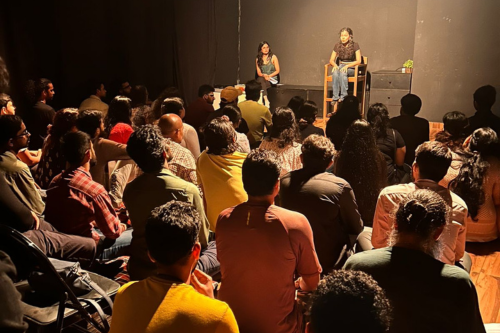
Theatre highlights one of the most irreplaceable aspects of acting-the connection between performer and audience. In a live performance, actors and viewers share a moment in real time. The energy in the room influences the performance, making each show unique.
No two performances are ever the same, and this dynamic interaction cannot be replicated by AI. Training in acting classes in mumbai often includes stage experience because it builds confidence, presence, and the ability to engage with an audience directly.
Creative Interpretation and Instinct
Acting is not about following instructions; it is about making creative choices. Two actors can perform the same role in completely different ways, each bringing their own perspective and interpretation.
This creative instinct is a uniquely human quality. AI can generate variations, but it does not possess artistic intent or intuition. Human actors shape their characters through imagination and insight, making each performance distinct and memorable.
Expert Tip
Actors who combine strong theatre training with an understanding of emerging AI tools will have a competitive advantage. Technology may change how content is created, but authentic performance skills will always remain valuable.
The Real Impact of AI on Acting Careers
Rather than replacing actors, AI is likely to reshape the industry in significant ways. It will change how content is created, distributed, and consumed. For actors, this means adapting to new formats and expectations.
The demand for realistic and natural performances is expected to grow as audiences become more exposed to AI-generated content. Authenticity will become even more valuable. At the same time, new opportunities will emerge in areas such as motion capture, voice acting, and digital content creation.
Actors who are trained, adaptable, and open to learning will find ways to leverage these changes to their advantage.
Why Professional Acting Training Matters More Than Ever
In a world where technology is evolving rapidly, skill becomes the most important differentiator. Professional training provides actors with the tools they need to stand out in a competitive industry.
Institutions like rangshila theatre group focus on building a strong foundation in acting. Through structured training, actors develop emotional depth, voice control, body language, and stage presence. These skills cannot be replaced by technology-they can only be developed through practice and experience.
For anyone searching for the best acting classes in mumbai or top acting classes in mumbai, it is essential to choose a program that emphasizes practical learning and real performance exposure.
AI as a Tool, Not a Threat
Instead of viewing AI as a competitor, actors can use it as a tool to enhance their craft. AI can assist in script analysis, help create audition tapes, and support content creation for social media.
By using AI strategically, actors can improve their efficiency and focus more on performance. The key is to treat technology as a support system rather than a replacement.
Conclusion
Artificial intelligence is transforming the entertainment industry, but it cannot replace the creativity, emotional depth, and human connection that define great acting. While AI can support filmmaking through technology and automation, authentic performances will always rely on skilled actors who can interpret characters, respond naturally, and connect with audiences.
Rather than seeing AI as a threat, aspiring actors should view it as an opportunity to strengthen their craft. By developing strong acting techniques, improving adaptability, and embracing continuous learning, performers can build successful careers across theatre, films, OTT platforms, and emerging digital media.
Ready to prepare for the future of acting?
Explore Rangshila Theatre Group‘s acting workshops and professional acting training to develop confidence, master essential acting techniques, and gain practical theatre experience for theatre, films, OTT platforms, and the future of AI-powered entertainment.
Frequently Asked Questions
AI supports filmmaking through editing, visual effects, digital characters, and production tools, but it does not replace human acting.
No. AI can simulate performances, but it cannot replicate genuine emotion, creativity, or human connection.
AI will change the industry, but trained actors who adapt to new technology will continue to find opportunities.
Theatre training develops emotional authenticity, improvisation, communication, and stage presence that AI cannot reproduce.
Actors can use AI for script analysis, audition preparation, content creation, and learning while focusing on improving their performance skills.
Professional acting training builds the technical and emotional skills needed for theatre, film, OTT, and future entertainment platforms.