
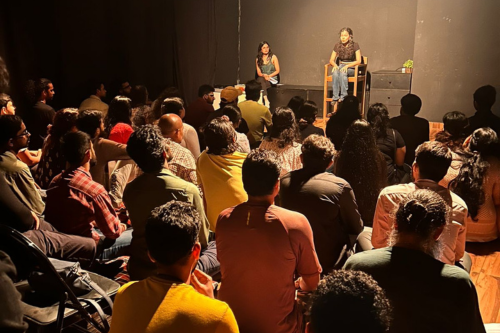
Storytelling is one of the oldest forms of human expression. Long before digital screens, social media, and streaming platforms existed, people gathered around fires, in village squares, and inside temples to listen to stories. These stories carried culture, wisdom, emotions, and collective memory from one generation to another. In India especially, storytelling has always been deeply rooted in tradition through epics like the Ramayana and Mahabharata, folk theatre forms, and oral narratives passed down across centuries.
However, in the modern digital age, the art of storytelling has slowly changed. While stories still exist everywhere—from films to social media content—the depth, patience, and human connection once associated with storytelling have become less common. Amid this transformation, theatre is quietly reviving the lost art of storytelling in India, bringing audiences back to a space where stories are experienced live, emotionally, and collectively.
Organizations such as Rangshila Theatre Group are playing a significant role in this revival. By nurturing new talent and preserving the essence of theatrical performance, theatre groups continue to reconnect modern audiences with the timeless power of storytelling.
Storytelling in India’s Cultural Roots
India has always been a storytelling civilization. Ancient texts were not simply written; they were performed, narrated, and dramatized. Temple performances, classical dance traditions, folk theatre forms like Nautanki, Yakshagana, and Kathakali, and travelling storytellers all contributed to preserving culture through narrative.
These performances were more than entertainment. They served as tools for education, spiritual exploration, and community bonding. Stories taught values, reflected social realities, and allowed audiences to connect with human emotions in meaningful ways.
In many ways, theatre became the natural extension of these traditions. Unlike written literature or recorded media, theatre creates a shared experience between performers and audiences. The audience does not simply observe a story; they become part of it.
Today, institutions offering acting classes in Mumbai are helping preserve this legacy by training a new generation of performers who understand both the craft and cultural significance of storytelling.
The Digital Age and the Shift in Storytelling
The modern world offers countless ways to consume stories—films, web series, short videos, and podcasts. While technology has expanded access to storytelling, it has also changed the way audiences engage with narratives.
Many digital platforms encourage fast consumption. Short attention spans and algorithm-driven content often prioritize speed over depth. Stories are watched quickly and forgotten just as quickly.
In contrast, theatre demands patience and presence. When the curtain rises, audiences commit their time and attention to the unfolding narrative. There are no pause buttons, edits, or retakes. Every moment exists in real time.
This authenticity is what makes theatre unique. It brings back the human connection that storytelling originally thrived on. Theatre groups like Rangshila Theatre Group understand this value and continue to promote theatre as a powerful storytelling medium.
Theatre as a Living Story
One of the most remarkable aspects of theatre is its ability to transform simple narratives into deeply emotional experiences. Actors do not merely recite lines; they embody characters, emotions, and conflicts. Through voice, movement, and expression, they bring stories to life in front of a live audience.
Theatre performances often feel intimate because they are shared in the same physical space. The audience witnesses every breath, pause, and emotional shift. Unlike film, which is mediated through a screen, theatre creates a direct relationship between storyteller and listener.
This connection is why many aspiring performers seek training in the top acting classes in Mumbai, where they learn how to express stories authentically on stage. These programs focus not only on technical skills like voice modulation and stage movement but also on emotional depth and character interpretation.
Why Theatre Matters More Than Ever
In a time when digital interactions dominate daily life, theatre offers something rare: genuine human presence. It reminds audiences that storytelling is not only about plot but also about empathy, emotion, and shared experience.
When people sit together in a theatre hall, they collectively experience laughter, silence, tension, and reflection. These moments create a sense of community that is difficult to replicate through screens.
Moreover, theatre often addresses contemporary social themes, allowing audiences to reflect on modern realities through powerful narratives. Many theatre productions explore topics such as identity, relationships, social change, and cultural heritage.
Organizations like Rangshila Theatre Group have consistently encouraged storytelling that resonates with both traditional and modern audiences. By blending classical theatre techniques with contemporary narratives, they help keep the art form relevant in today’s world.
The Role of Acting Education
Behind every powerful theatrical performance lies rigorous training. Acting requires discipline, emotional awareness, and deep understanding of human behavior. This is why structured learning environments are essential for aspiring performers.
Students enrolling in acting classes in Mumbai are introduced to various aspects of performance including improvisation, script analysis, character development, and stage presence. These skills allow actors to connect with stories at a deeper level.
The top acting classes in Mumbai also emphasize collaboration and creative exploration. Theatre is inherently a collective art form, and performers learn how to work together to create cohesive narratives.
Training programs guided by experienced mentors help actors understand how to communicate stories effectively, ensuring that audiences remain emotionally engaged throughout a performance.
Rangshila Theatre Group and the Revival of Storytelling
Among the organizations contributing to theatre’s cultural revival, Rangshila Theatre Group stands out for its commitment to nurturing talent and promoting meaningful storytelling.
Through workshops, stage productions, and acting training programs, the group provides a platform for aspiring actors to explore their creative potential. Their approach focuses on developing performers who not only understand acting techniques but also appreciate the cultural significance of storytelling.
By encouraging students to engage deeply with scripts and characters, Rangshila helps preserve the emotional richness that defines theatre.
A Future Built on Stories
Despite the dominance of digital media, theatre continues to thrive because it fulfills a fundamental human need: the desire to share and experience stories together. As audiences seek more authentic and meaningful experiences, live performances are regaining appreciation.
Young actors and theatre enthusiasts are rediscovering the power of storytelling through stage performances and training programs. With growing interest in acting classes in Mumbai and the rising popularity of theatre festivals, the future of storytelling in India appears promising.
Institutions like Rangshila Theatre Group are ensuring that the essence of storytelling remains alive for future generations.
Conclusion
Storytelling may have evolved over time, but its core purpose remains unchanged: to connect people through shared human experiences. While modern technology has transformed how stories are consumed, theatre continues to preserve the emotional depth and authenticity that storytelling originally embodied.
By bringing stories to life through live performances, theatre reconnects audiences with tradition, culture, and human emotion. Through dedicated training programs, passionate performers, and organizations committed to artistic excellence, the lost art of storytelling is finding its voice again.
For aspiring actors seeking to explore this powerful medium, enrolling in the top acting classes in Mumbai can be the first step toward becoming part of this timeless tradition—one where stories are not just told, but truly lived on stage.