
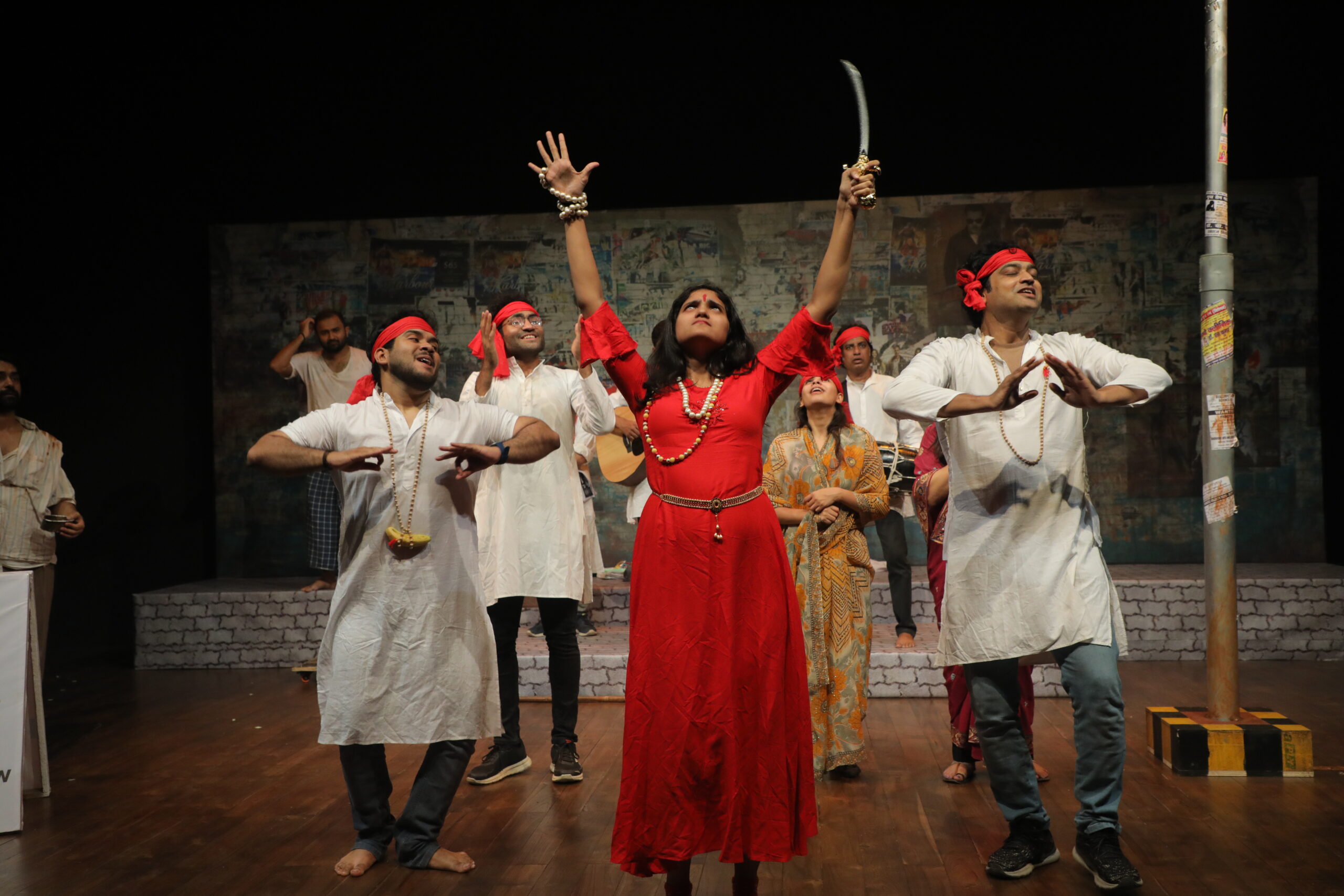
The Indian theatre scene is experiencing a vibrant transformation. As we move through 2025, the stage is no longer just a platform for performance; it has become a dynamic laboratory for innovation. From groundbreaking stagecraft and technology to fresh narrative styles and interactive audience experiences, the landscape is shifting in exciting ways. This evolution is driven by a new generation of creators, visionary theatre groups, and an audience that craves more than just passive entertainment.
This post will explore the key theatre trends shaping India in 2025. We will look at how technology is revolutionizing stage design, how storytellers are pushing creative boundaries, and how the relationship between performers and audiences is becoming more immersive. We will also highlight the pivotal role of institutions like Rangshila Theatre Group in Mumbai, which are not just participating in these trends but actively shaping the future of Indian theatre through their training and productions.
The Technological Renaissance in Stagecraft
Technology is making a significant impact on the Indian stage, allowing creators to build worlds that were once impossible. This isn’t about replacing the raw, human element of theatre but enhancing it. The goal is to create more immersive and visually stunning experiences that captivate the modern viewer.
Immersive Tech and Multimedia Integration
One of the most prominent trends is the use of multimedia and immersive technology. LED screens, projection mapping, and digital backdrops are becoming more common, even in smaller, independent productions. These tools allow for rapid scene changes, dynamic environments, and a deeper sense of atmosphere. A play set in a bustling city can now feature a backdrop of moving traffic and shifting lights, pulling the audience directly into the urban landscape.
Holographic projections and augmented reality (AR) are also starting to appear. These technologies allow for ethereal, ghostly characters or complex visual effects that would be difficult to achieve with practical means. This digital layer adds a new dimension to the storytelling, blending the physical and the virtual on a single stage.
Advancements in Sound and Lighting
Sound design has moved far beyond simple background music and sound effects. Theatres are now using spatial audio systems to create a 360-degree soundscape. This technology can make it feel like a whisper is coming from right behind you or the roar of a crowd is surrounding you, making the experience intensely personal and immersive.
Lighting has also evolved. Automated, intelligent lighting systems can now be programmed to react to actors’ movements or change in sync with the emotional tone of a scene. This creates a more responsive and fluid visual narrative, where light is not just for illumination but is an active participant in the storytelling.
New Waves in Storytelling and Content
While technology provides new tools, the heart of theatre remains the story. In 2025, Indian playwrights and directors are exploring new themes and narrative structures that reflect the complexities of contemporary life.
Hyper-local and Authentic Narratives
There is a growing movement away from broad, universal stories towards narratives that are deeply rooted in specific local contexts. Playwrights are exploring the unique cultural, social, and political issues of their own communities. These hyper-local stories, told in regional dialects and reflecting specific traditions, offer a powerful authenticity that resonates deeply with audiences.
These narratives give voice to marginalized communities and bring lesser-known histories to the forefront. By focusing on the specific, these plays often reveal universal human truths, proving that a story about a small village in Maharashtra can touch the hearts of audiences in Delhi or Kolkata.
Non-Linear and Experimental Structures
The traditional three-act structure is being challenged. Playwrights are experimenting with non-linear timelines, fragmented narratives, and open-ended conclusions. These experimental forms mirror the often-chaotic nature of modern life and invite the audience to become active participants in piecing the story together.
This trend encourages a more thoughtful and analytical viewing experience. Rather than being spoon-fed a simple plot, the audience is engaged in a puzzle, making the final emotional and intellectual payoff even more rewarding.
The Rise of Devised Theatre
Devised theatre, where the script is created collaboratively by the entire cast and creative team during the rehearsal process, is gaining immense popularity. This approach allows for a more organic and democratic form of creation, where the story evolves from group improvisation, discussion, and experimentation. The result is often work that is deeply personal, innovative, and reflective of the unique chemistry of the ensemble.
Redefining Audience Engagement
The traditional “fourth wall” is becoming increasingly porous. Theatres in 2025 are actively seeking new ways to engage their audiences, transforming them from passive observers into integral parts of the performance.
Immersive and Site-Specific Theatre
Immersive theatre, which breaks down the physical barrier between the stage and the seats, is a major trend. Audiences might walk through different rooms as a story unfolds, interact with actors, and even influence the narrative through their choices. These experiences are highly personal and create lasting memories.
Site-specific theatre takes this a step further by staging performances in unconventional locations like warehouses, historical buildings, or public parks. The environment itself becomes a character in the play, adding layers of meaning and context. A play about historical injustice performed in the ruins of an old fort, for example, carries a weight that a traditional theatre could never replicate.
Post-Show Dialogues and Community Building
The performance is no longer the end of the experience. Many theatre groups now host post-show discussions, Q&A sessions with the cast and crew, and workshops related to the play’s themes. This extends the engagement beyond the curtain call and helps build a sense of community around the theatre.
These dialogues provide a space for audiences to share their interpretations, ask questions, and connect with the creators on a deeper level. It reinforces the idea of theatre as a space for civic discourse and shared cultural experience.
Rangshila Theatre Group: Nurturing the Next Generation
At the heart of this theatrical evolution are institutions dedicated to training the next generation of artists. Rangshila Theatre Group, based in Mumbai, stands out as a key player in this movement. Founded with the vision of providing a space for aspiring actors to hone their craft, Rangshila is deeply connected to the emerging trends in Indian theatre.
Their acting classes in Mumbai are more than just a training program; they are a laboratory for creative exploration. Rangshila’s curriculum is designed to equip actors with the skills needed to thrive in the modern performing arts landscape. This includes a strong foundation in traditional techniques, but also training in movement, voice modulation, and improvisation, which are crucial for devised and physically demanding theatre.
Rangshila fosters an environment where experimentation is encouraged. Their students are not just taught to follow a script but to contribute to the creative process. This approach directly feeds the trend of devised theatre and prepares actors to be versatile and collaborative creators. By focusing on authentic emotional expression and nuanced character work, Rangshila helps actors bring depth to the hyper-local and psychologically complex roles that are defining contemporary Indian plays.
Furthermore, through their own productions, Rangshila Theatre Group actively contributes to the Mumbai theatre scene, often incorporating innovative storytelling techniques and engaging with relevant social themes. They are not just teaching theatre; they are actively practicing it, providing a vital bridge for their students from the classroom to the professional stage.
The Road Ahead
The future of Indian theatre is bright, dynamic, and full of possibilities. The trends of 2025 point towards a performing arts scene that is more technologically advanced, narratively daring, and deeply engaged with its audience. As technology continues to offer new creative tools and storytellers continue to explore the rich diversity of Indian life, the stage will remain a powerful space for reflection, connection, and wonder.
Organizations like Rangshila Theatre Group are crucial to this future. By providing high-quality training and fostering a culture of innovation, they are ensuring that the next generation of actors is ready to lead this exciting new chapter in the story of Indian theatre.