
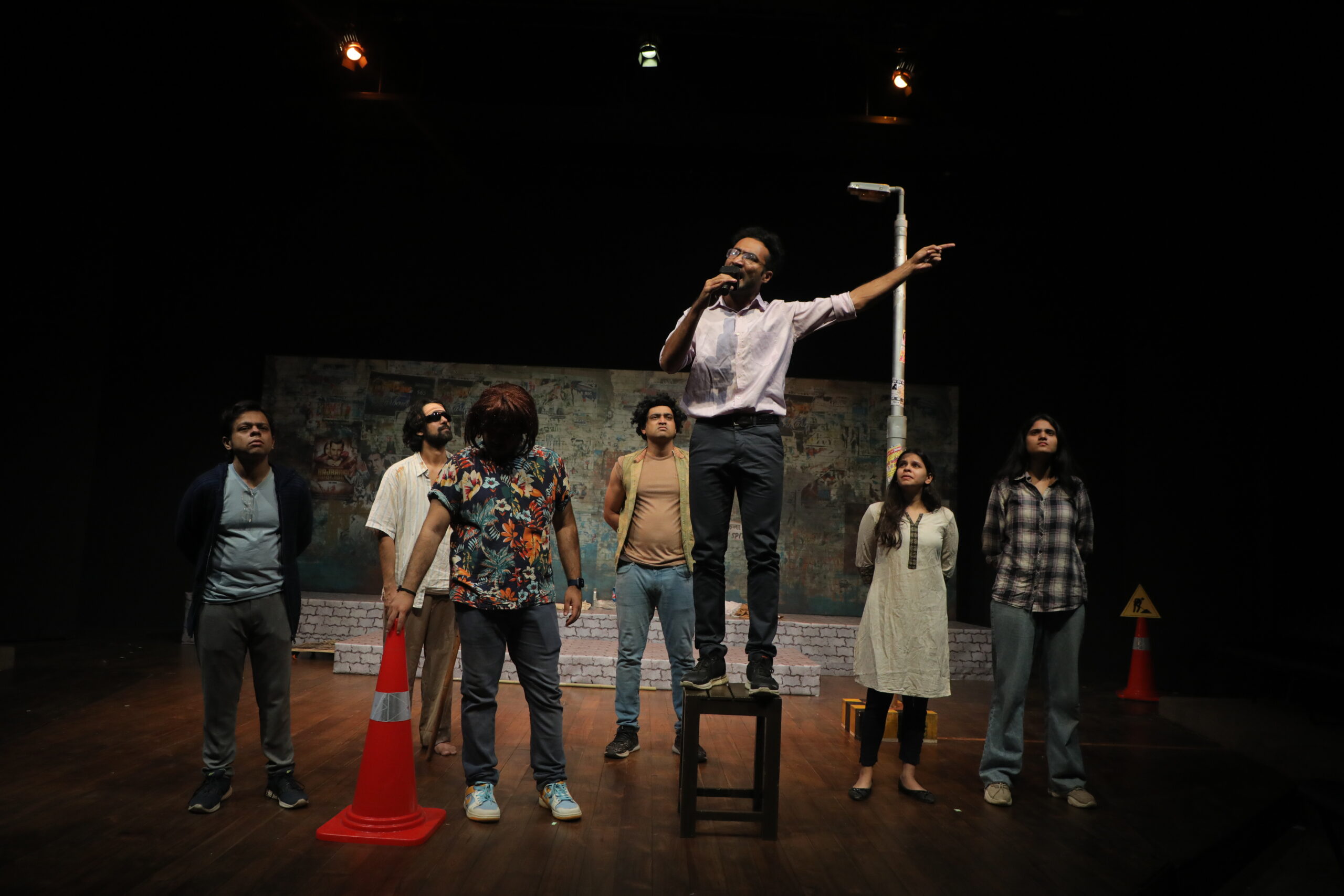
The world of entertainment has seen dramatic transformations in recent years, with Virtual Reality (VR) bursting onto the scene as a groundbreaking medium. From immersive gaming to virtual concerts, VR captivates audiences by transporting them to alternate realities. Yet, as technology evolves, one timeless art form continues to reign supreme—live theatre. Nothing on a screen or through a VR headset can replicate the profound emotional resonance, communal energy, and authentic connection that only a live theatrical performance delivers.
If you’ve been spellbound by the magic of theatre or are curious about what sets it apart, this exploration will show you why live theatre still beats even the most advanced virtual reality experiences. With institutions like Rangshila Theatre Group leading the charge in keeping this ancient art form alive and vibrant, here’s why stepping into a theatre continues to be an irreplaceable experience.
The Authentic Emotional Connection
One of the most defining characteristics of live theatre is the deep emotional connection forged between performers and audiences.
1. Real-Time Interaction
Virtual Reality might allow you to interact with programmed characters, but those interactions remain scripted and predictable. Live theatre, on the other hand, thrives on unpredictability. Actors feed off the energy of their audience, adjusting their tone, timing, and expressions to amplify the impact of the performance. It’s a two-way street of communication that creates an electric atmosphere VR simply cannot replicate.
For example, if you’re at a Rangshila Theatre Group production, you’ll notice how the performers adapt their craft to the reactions of the audience. Training in acting classes in Mumbai offered by Rangshila equips actors to read an audience’s energy, making every show unique and deeply personal.
2. Unfiltered Human Expression
The raw, unfiltered emotions conveyed by actors on stage resonate on a human level that no virtual avatar or digital landscape can match. Whether it’s anguish, joy, or love, the emotions in live theatre are delivered in their purest form. Sitting in the audience, you feel every word, movement, and gesture echo through your soul—something that VR, with its technological intermediaries, struggles to convey.
The Power of the Collective Experience
Another thing live theatre excels in is its ability to unite people. A theatre production is not a solo experience; it is a gathering, a shared engagement, and a communal event.
1. The Communal Magic
Imagine sitting in a theatre, feeling the collective gasp of an audience during a dramatic twist or the shared laughter that fills the room during a comedy. These moments bind the audience together in a way that solitary VR escapades can never achieve. This collective synergy enhances the impact of the story being told, pulling everyone further into the narrative.
Rangshila Theatre Group actively fosters this connection through immersive performances. They emphasize how the presence of an audience transforms the energy and mood of a production, creating a shared memory that exists in the hearts of everyone in attendance.
2. Breaking the Fourth Wall
While Virtual Reality offers immersion by placing you in a simulated environment, live theatre shatters the invisible ‘fourth wall.’ Rangshila Theatre Group often incorporates this technique in its productions, directly addressing the audience and involving them in the narrative. Such moments break down barriers and make the audience an integral part of the experience—not observers, but participants.
The Enchantment of Real Spaces
When you slip on a VR headset, your surroundings vanish, replaced by a computer-generated world. But in live theatre, the stage becomes a living, breathing canvas—a real, tangible space that artists bring to life.
1. Set Designs That Stimulate Imagination
There’s something profoundly moving about watching an imaginative set unfold before your eyes. From intricate props to clever lighting and rich costumes, live theatre takes the audience on a creative journey, where they can believe in other realms without needing special effects. Great theatre companies like Rangshila showcase how simple yet effective set design can evoke far stronger emotions than VR visuals.
2. Flexibility and Variance
Each live performance carries its own imperfections and quirks, which only add to its charm. VR, though revolutionary, often recreates the same experience for every user. Theatre, on the other hand, thrives on its variability—no two performances are exactly alike, which makes each show a one-of-a-kind experience.
A Proven Ground for Aspiring Actors
1. Learning the Art of Real Interaction
For aspiring actors, VR is purely a technical medium that leaves little room for human interaction. Theatre, however, emphasizes real-world skills like the ability to command a live audience, adapt in the moment, and stay rooted in genuine emotions.
Institutions like Rangshila Theatre Group, regarded by many as the best acting school in Mumbai, focus on training actors for live performances. Through acting workshops in Mumbai, students learn how to project their voice, maintain stage presence, and truly connect with an audience—all of which are invaluable for building a flourishing acting career.
2. Building Confidence Through Live Performances
Performing in front of a live audience challenges actors to overcome stage fright, think on their feet, and remain poised under pressure. These critical life skills can’t be developed in the isolated environment of a VR set. At Rangshila, theatre training involves real, immersive performances that help students grow both on and off the stage, preparing them for any challenge the world of performing arts might throw their way.
3. Sense of Tradition and Legacy
Theatre carries with it centuries of tradition and evolution. Aspiring actors who train at Rangshila Theatre Group learn not just the techniques of acting but also the history and cultural significance of the craft. This creates a deeper respect for the art and a complete understanding of what it means to be a performer.
Limitations of Virtual Reality
While VR holds potential in various industries, its limitations in cultural and emotional storytelling become evident when compared to live theatre.
1. Lack of Nuance
VR interactions remain dependent on pre-programmed responses, creating a predictable and, at times, mechanical experience. Live actors, however, present subtle nuances in their voice and body language, evoking empathy and connection that feels organic and natural.
2. Accessibility Challenges
Not everyone has access to expensive VR technology, which can restrict participation to a select few. Theatre, on the other hand, is far more inclusive, allowing performances to reach people from diverse backgrounds.
The Timelessness of Theatre
Live theatre has existed for centuries, from the classical plays of Shakespeare to contemporary dramas performed worldwide today. Despite technological advancements, it continues to delight and inspire, offering something no machine can—a connection to our shared humanity.
Rangshila Theatre Group stands as a testament to the enduring power of theatre. By championing techniques like audience interaction, storytelling, and real-time performances, Rangshila reminds us why theatre remains not just relevant but indispensable.
Conclusion
While Virtual Reality might dazzle with its technology, it falls short when it comes to heart. Live theatre, with its emotional authenticity, communal magic, and human charm, remains unmatched in creating meaningful, unforgettable experiences.
Whether you’re an aspiring actor looking for the best acting school in Mumbai or a lover of the performing arts, live theatre is your gateway to a world where stories breathe, emotions flourish, and connections are real. Explore the vibrant offerings of Rangshila Theatre Group and immerse yourself in the irreplaceable beauty of theatre.