
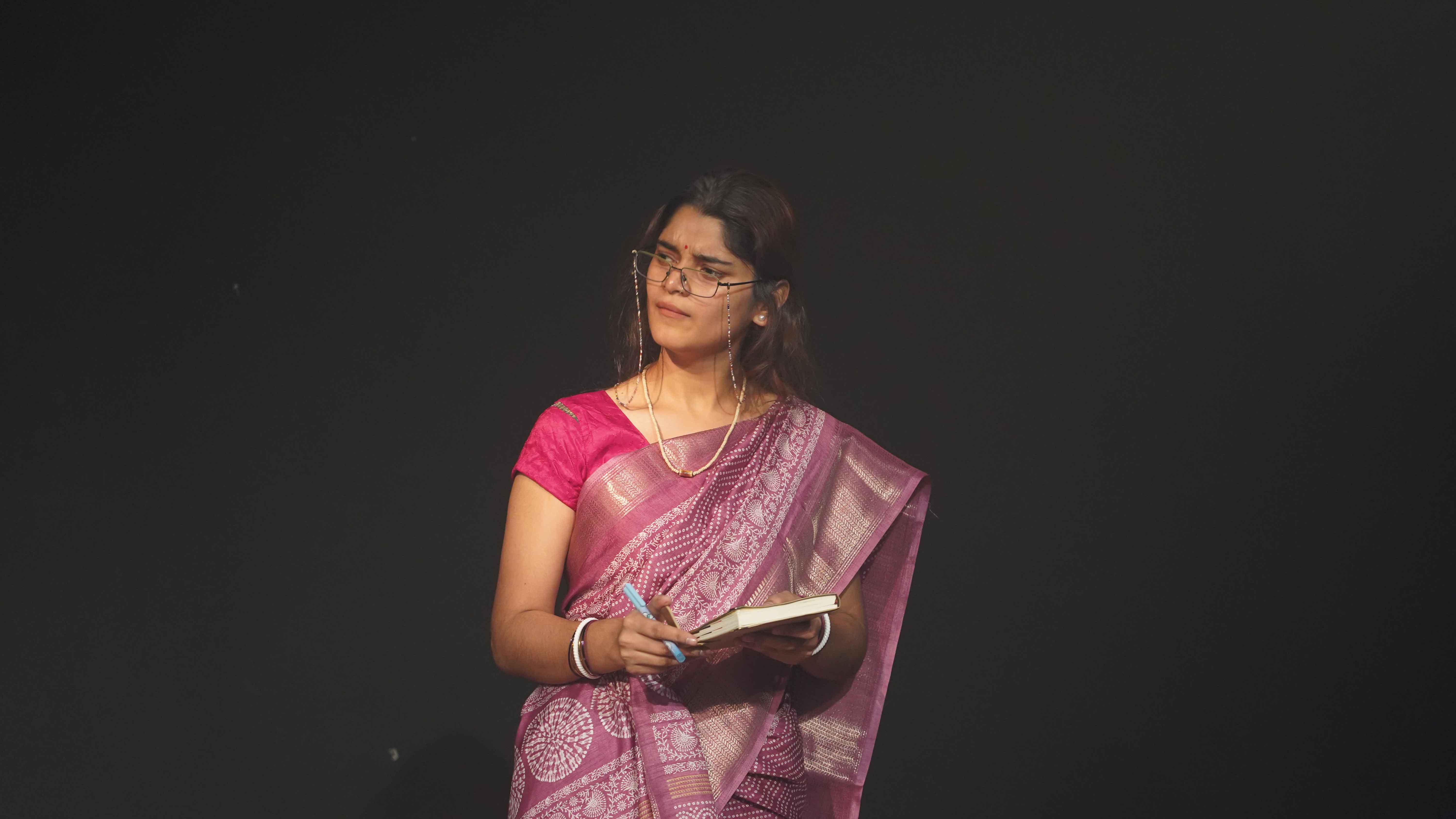
Every actor no matter how talented or prepared knows the sting of rejection. An audition that felt perfect but never led to a callback. A role you believed was meant for you, but went to someone else. The silence that follows after submitting a portfolio.
If you have experienced this, you are not alone. Rejection in acting is not the exception-it is part of the journey.
At Rangshila Theatre Group, training aspiring performers since 2008, one truth has consistently stood out: how you handle rejection often shapes your career far more than any single audition outcome ever will.
Why Rejection Feels So Personal for Actors
Acting is unlike most other professions.
When a graphic designer’s work is rejected, the feedback is about the design. But when an actor is rejected, it can feel deeply personal-because the instrument being evaluated is the actor themselves: their voice, face, emotions, and presence.
This is what makes rejection in acting uniquely painful. It does not feel like professional feedback. It feels like someone looked at you-completely-and said no.
But here is the truth every working actor eventually understands: rejection in this industry is rarely about you as a person. Casting decisions are often shaped by factors completely outside your control-the director’s vision, chemistry between cast members, budget constraints, last-minute script changes, or sometimes something as simple as physical requirements for a role.
Understanding this is the first and most important step.
1. Separate Your Identity from Your Performance
One of the most dangerous patterns an actor can fall into is tying self-worth to casting outcomes. When that happens, every rejection feels like a judgment on personal value and that is an impossible emotional burden to carry in a long-term career.
At Rangshila Theatre Group, we emphasise this distinction from day one: you are not your role. You are an artist who brings craft, preparation, and presence to a performance. The role may or may not come your way on any given day, but your craft always remains yours.
Developing this separation between identity and performance allows actors to stay resilient, continue auditioning, and maintain their love for the work.
2. Reframe Rejection as Redirection
Every actor who has built a lasting career in theatre, film, or OTT platforms will tell you the same thing: some of their biggest rejections eventually guided them toward better-suited opportunities.
A role you did not get might have protected your time for something more aligned with your strengths. A casting rejection might simply mean the vision for the project was different from what you bring-not lesser, just different.
Rejection in acting is not a stop sign-it is directional feedback. It may not always be clear immediately, but it often makes sense in hindsight.
3. Keep Improving Your Acting Craft After Rejection
Rejection should never stop your training process-it should feed it. Every audition, whether successful or not, is a snapshot of where your craft currently stands. The real growth happens in what you do after that moment.
Instead of holding on to the outcome, shift your focus back to the work itself. Strengthen your voice, refine your body language, explore deeper character choices, and keep returning to practice with honesty. The actors who grow consistently are the ones who treat training as a continuous cycle, not something that ends after an audition.
At Rangshila Theatre Group, students are encouraged to see every audition as part of their ongoing rehearsal process. The aim is not just to get selected, but to keep evolving as a performer so that each next opportunity finds a stronger, more prepared version of you.
4. How Actors Can Build a Support System
Acting can become isolating, especially when rejections accumulate. One of the most valuable assets an actor can have is a community of fellow performers who understand the journey.
This is why training environments matter. The connections formed with batchmates-people experiencing the same auditions, nerves, disappointments, and break throughs often become a vital source of support and perspective.
When rejection hits, do not withdraw. Talk to other actors. Share your experience. More often than not, you will realise they have stood in the same place and moved forward.
5. Never Audition for Just One Role at a Time
A practical way to handle rejection is to avoid emotionally attaching yourself to a single opportunity. When all hope is placed on one audition, rejection feels heavier than it needs to be.
Experienced actors approach auditions with a wider mindset. They continue preparing for multiple roles simultaneously, understanding that one closed door often leads to another opening elsewhere.
At Rangshila Theatre Group, students are trained to develop not only performance skills but also a professional mindset that supports a sustainable acting career.
This includes learning to audition consistently without becoming emotionally dependent on any single outcome.
6. Why Rejection in Acting Is Not Permanent
The acting industry-across theatre, film, and OTT platforms-is constantly evolving. Different creators are looking for different qualities at different times.
The director who does not cast you today may call you back months later for a role that suits you perfectly. A project that has no space for you now may become the right opportunity later.
Rejection in acting is rarely permanent. What lasts is professionalism, preparation, and consistency.
7. How Actors Should Take Care of Mental Health After Rejection
Actors are human beings first. Repeated rejection can take a real emotional and physical toll if not handled with care.
Maintaining a life outside acting is essential-relationships, hobbies, rest, movement, and experiences that keep you grounded. Not because acting is less important, but because sustainable performers bring a full, balanced self into their work.
At Rangshila Theatre Group, our training philosophy is holistic. Strong performances come from self-aware individuals who understand both their craft and the importance of personal well-being through the highs and lows of this profession.
How Rangshila Theatre Group Prepares You for the Long Game
Founded by Awnish Kumar Mishra on 18th January 2008, Rangshila Theatre Group has grown into a trusted space for aspiring performers with over 500 theatre enthusiasts trained, 250+ performances across 100 venues, and alumni working across theatre, film, and OTT platforms.
Our training philosophy is built on one simple understanding: acting is not a sprint it is a long game.
Each stage of our programme is designed with this in mind. From The Outlook Training that develops self-awareness, to The Instrument that builds voice and body control, to The Craft that deepens emotional and character work, and The Technique that prepares actors for camera performance and professional auditions-every layer helps shape performers who can sustain themselves through both success and rejection.
We also offer flexible learning options, including weekend acting classes in Mumbai, designed for students balancing training with work, studies, or other commitments.
The Bottom Line
Rejection is not the opposite of success in acting. In many ways, it is part of the path toward it.
Every working actor you admire-whether on stage, in films, or on OTT platforms-carries a long history of rejection behind them.
What separates those who continue from those who stop is rarely talent alone. It is resilience-the ability to hear “no,” feel the disappointment honestly, and still return to the work with commitment and belief.
At Rangshila Theatre Group, we believe acting training should prepare students not only for performance but also for the emotional realities of a long creative journey.
If you are looking for acting classes in Mumbai that focus on both craft and growth, our programmes are designed to help you build confidence, discipline, and long-term professional resilience.
Your career is not over because of one rejection. In fact, it may just be beginning.
Frequently Asked Questions
Q1. Is rejection normal in an acting career?
Yes. Rejection is a completely normal part of an acting career. Every actor, regardless of experience or talent, goes through auditions that do not work out. In most cases, casting decisions depend on factors beyond an actor’s control, including creative direction, casting chemistry, and production requirements.
Q2. How do actors stay confident after rejection?
Actors build confidence by separating self-worth from audition outcomes and staying focused on their craft. Regular training, preparation, and real performance experience help develop long-term resilience.
Q3. Can acting classes help actors handle rejection better?
Absolutely. Structured acting training helps performers develop emotional resilience along with technical skills. At Rangshila Theatre Group, students are encouraged to see rejection as part of the learning process rather than a reflection of personal ability.
Q4. What should actors do after a failed audition?
After a difficult audition, it is important to reflect honestly, continue training, and move forward without getting emotionally stuck on one opportunity. Many actors improve significantly through consistent practice and on going training rather than fearing rejection.
Q5. Why is rejection in acting so personal?
Acting feels personal because the actor themselves become the instrument of performance-voice, emotions, presence, and physicality. However, casting decisions are usually based on role suitability, not personal judgment of an actor’s worth.
Q6. Do successful actors still face rejection?
Yes. Even highly successful actors continue to face rejection throughout their careers. What sets long-term performers apart is not just talent, but consistency, discipline, and the ability to keep improving despite setbacks.
Q7. How can beginners become emotionally stronger as actors?
Emotional strength develops over time through training, rehearsal, and real performance experience. A supportive learning environment, consistent practice, and a strong peer community help beginners become more confident and grounded.
Final CTA
If you are serious about building a strong acting foundation and learning how to handle rejection with confidence, structured training can make a real difference.
Join professional acting classes at Rangshila Theatre Group and start your journey toward becoming a disciplined, confident, and industry-ready performer.